
By Bright Learning Academy
At Bright Learning Academy, we know that healthy sleep habits are essential for a toddler’s growth, mood, and ability to learn. A well-rested child is happier, more focused, and better prepared to explore the world around them. That’s why our caregivers work closely with families to support consistent sleep routines both at our center and at home.
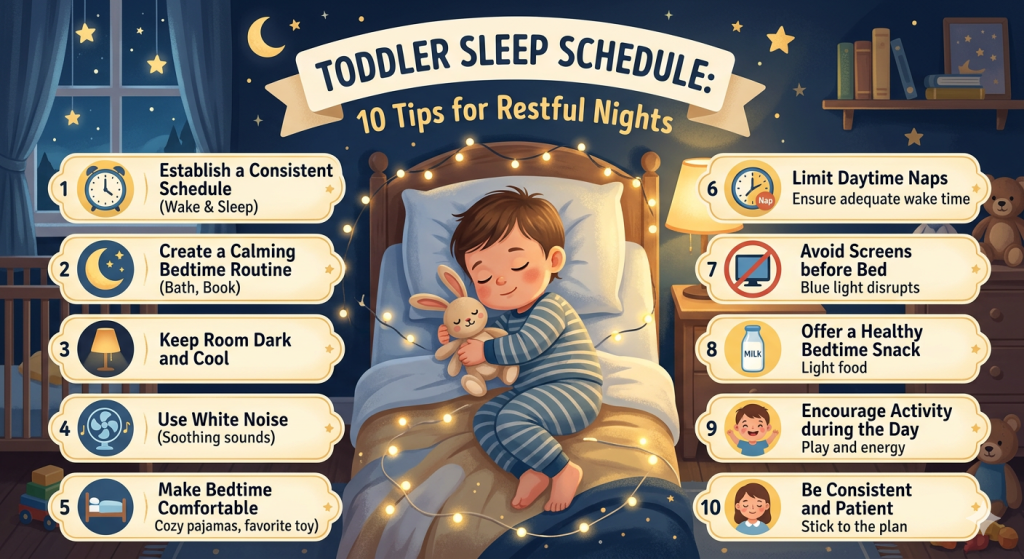
If bedtime feels challenging or unpredictable, establishing a toddler sleep schedule can make a big difference. Here are 10 helpful tips from the team at Bright Learning Academy to help your toddler enjoy more restful nights.
1. Maintain a Consistent Bedtime
Toddlers thrive on routine. At Bright Learning Academy, we structure the day with predictable activities so children feel secure and comfortable. At home, try to keep your toddler’s bedtime consistent—usually between 7:00 PM and 8:00 PM—even on weekends.
2. Create a Relaxing Bedtime Routine
A predictable bedtime routine helps toddlers transition from playtime to sleep time. A calming routine might include:
A warm bath
Brushing teeth
Reading a favorite story
Quiet cuddles
Repeating the same steps each night signals to your toddler that it’s time to wind down.
3. Follow Healthy Wake Windows
Most toddlers do best when they stay awake 4–6 hours between sleep periods. At Bright Learning Academy, our teachers observe children’s energy levels and help guide them toward rest before they become overtired.
4. Keep Nap Times Consistent
Toddlers typically need one daily nap lasting 1–2 hours, often in the early afternoon. Our classrooms follow a structured nap schedule to ensure children get the rest they need to recharge for the rest of the day.
5. Create a Sleep-Friendly Environment
A calm environment encourages deeper sleep. At home, try to create a bedroom that supports rest by using:
Blackout curtains
Comfortable room temperature
Soft white noise
At Bright Learning Academy, we maintain peaceful nap environments with dim lighting and quiet spaces.
6. Reduce Screen Time Before Bed
Screens can make it harder for toddlers to fall asleep because blue light affects melatonin levels. Try turning off TVs, tablets, and phones at least one hour before bedtime.
7. Watch for Sleep Cues
Signs like yawning, rubbing eyes, or becoming fussy may mean your toddler is ready for sleep. Responding to these cues early helps prevent overtiredness.
8. Encourage Independent Sleep Skills
While comfort is important, helping toddlers fall asleep on their own can build healthy sleep habits. At Bright Learning Academy, we gently support children as they learn to settle and rest independently during nap time.
9. Keep Night Wakings Calm
If your toddler wakes during the night, keep the environment quiet and interactions brief. Soft reassurance without stimulating activity can help them return to sleep more easily.
10. Partner with Your Childcare Center
One of the best ways to support healthy sleep is consistency between home and childcare routines. At Bright Learning Academy, we work closely with families to share nap schedules and strategies that support each child’s needs.
A Sample Toddler Sleep Schedule
Here’s an example schedule that works well for many toddlers:
7:00 AM: Wake up
12:30 PM: Nap time
2:00 PM: Wake from nap
7:30 PM: Bedtime
Every child is unique, so schedules may vary slightly.
Supporting Healthy Sleep at Bright Learning Academy
At Bright Learning Academy, we believe that quality sleep supports learning, emotional development, and overall well-being. Our structured daily routines, nurturing teachers, and calm nap environments help toddlers feel secure and rested throughout the day.
By working together with families, we can help children build healthy sleep habits that lead to happier days and more peaceful nights.